The Future of Augmented Reality: 5 Exciting Applications

The Future of Augmented Reality: 5 Exciting Applications
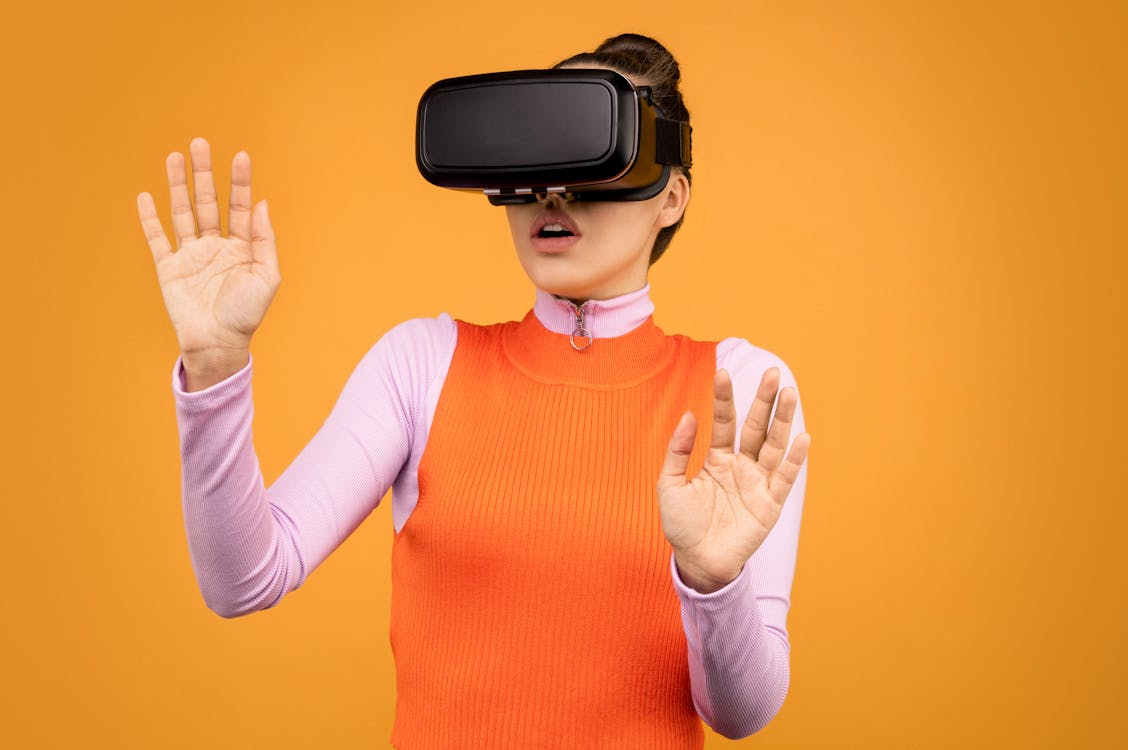
Augmented reality (AR) is a technology that superimposes a computer-generated image on a user's view of the real world, providing a composite view. AR is rapidly evolving and has the potential to revolutionize many industries and aspects of our lives.
Five Exciting Applications of AR:
- Education and Training: AR creates immersive learning experiences, exploring the human body or historical events interactively. It is also used for employee training on new tasks and procedures.
- Healthcare: AR improves medical procedures' accuracy and efficiency, aiding surgeons in visualizing patient anatomy and providing real-time feedback during rehabilitation.
- Gaming and Entertainment: AR innovates gaming with interactive experiences, allowing players to interact with virtual objects in the real world and enhancing live events like concerts.
- Retail and E-commerce: AR enhances the shopping experience, enabling customers to try on clothes or furniture virtually and providing detailed information about products and services.
- Navigation and Wayfinding: AR aids navigation by providing real-time directions and maps through devices like AR glasses, helping users find specific places in unfamiliar environments.
These are just a few examples of the many exciting applications of AR. As AR technology continues to develop, we can expect to see even more innovative and groundbreaking applications in the future.
Current Examples of AR Usage:
- Education and Training: Boeing uses AR to train employees in assembling complex aircraft components.
- Healthcare: AccuVein uses AR to assist nurses in finding veins more easily and accurately.
- Gaming and Entertainment: Pokémon GO is a popular AR game that allows players to catch virtual Pokémon in the real world.
- Retail and E-commerce: IKEA uses AR to let customers virtually place furniture in their homes before purchasing.
- Navigation and Wayfinding: Google Maps is developing AR features for real-time directions and maps.
AR is a powerful technology with the potential to revolutionize many aspects of our lives. As AR technology continues to develop and become more affordable, we can expect to see even more widespread adoption of AR in the future.


Comments
Post a Comment