Top 10 Emerging Technologies of 2025: Shaping the Future
Top 10 Emerging Technologies of 2025: Shaping the Future
The year 2025 is a turning point for technology, with breakthroughs poised to tackle global challenges like climate change, health crises, and digital trust. Drawing from insights by the World Economic Forum, we’ve compiled the top 10 emerging technologies set to redefine industries and improve lives over the next few years. Let’s explore the innovations driving the future!
1. Structural Battery Composites
Structural battery composites integrate energy storage into the very materials of vehicles or devices, like carbon fiber in EVs or aircraft. This reduces weight, boosts efficiency, and could cut EV production costs significantly. Challenges like safety standards and recycling remain, but the potential is electrifying.
2. Osmotic Power Systems
By leveraging the salinity difference between freshwater and seawater, osmotic power systems generate renewable energy through membranes. Techniques like Pressure Retarded Osmosis could power coastal regions sustainably, offering a clean energy source where rivers meet the sea.
3. Advanced Nuclear Technologies
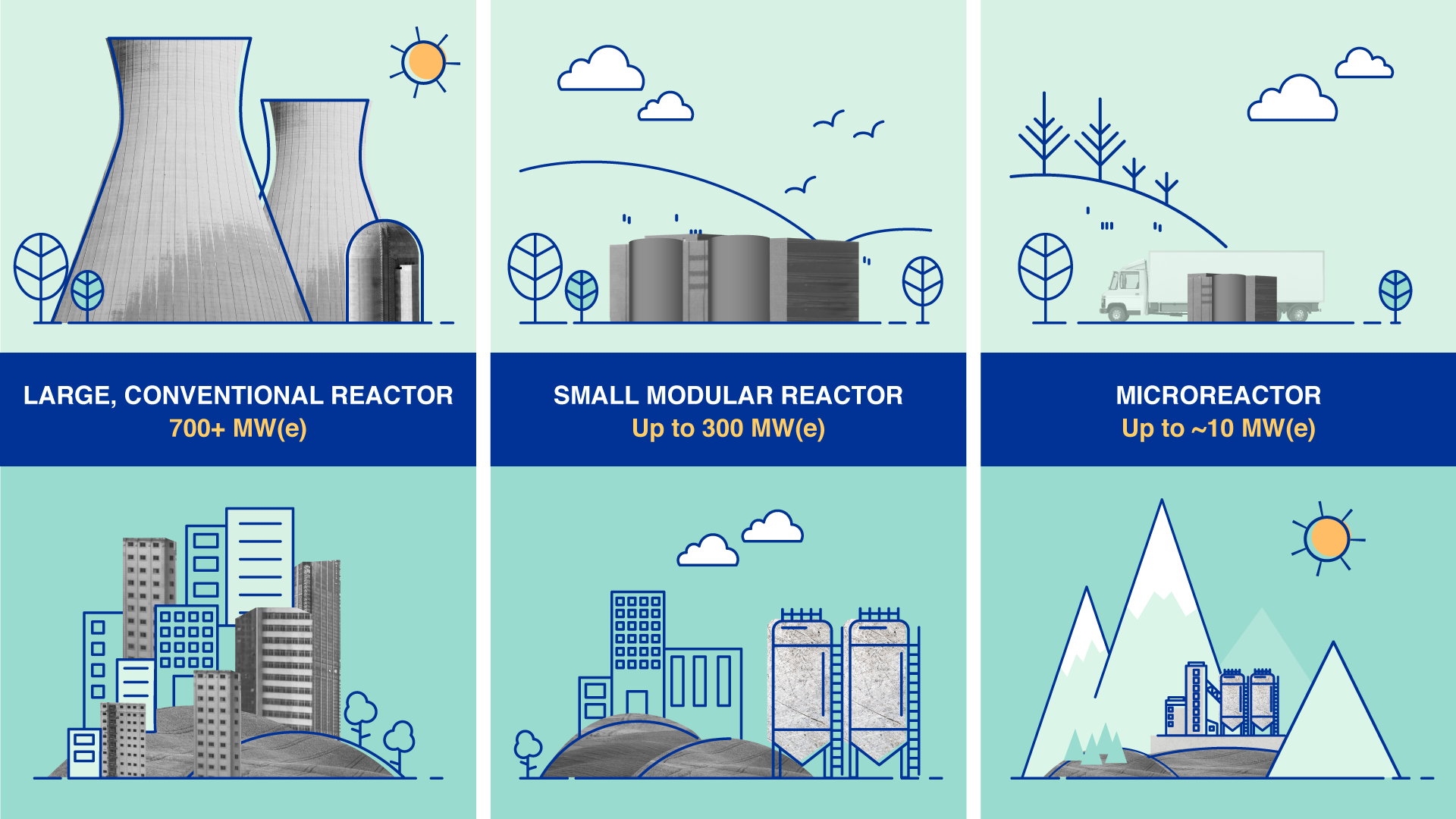
Small Modular Reactors (SMRs) and innovative cooling systems are making nuclear power safer and more affordable. With fusion projects like ITER on the horizon, 2025 could mark a step toward limitless, emissions-free energy, addressing global energy demands.
4. Engineered Living Therapeutics
Genetically modified microbes act as living factories, producing drugs inside the body for conditions like diabetes or cancer. This tech could reduce treatment costs by up to 70%, offering personalized medicine with fewer side effects.
5. GLP-1s for Neurodegenerative Diseases
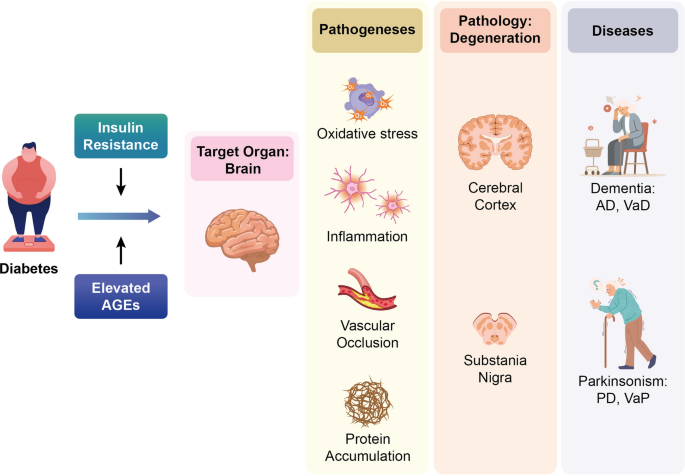
GLP-1 receptor agonists, initially used for diabetes, are showing promise in treating Alzheimer’s and Parkinson’s by reducing brain inflammation. With over 55 million people affected by dementia worldwide, this could be a game-changer for neurodegenerative care.
6. Autonomous Biochemical Sensing
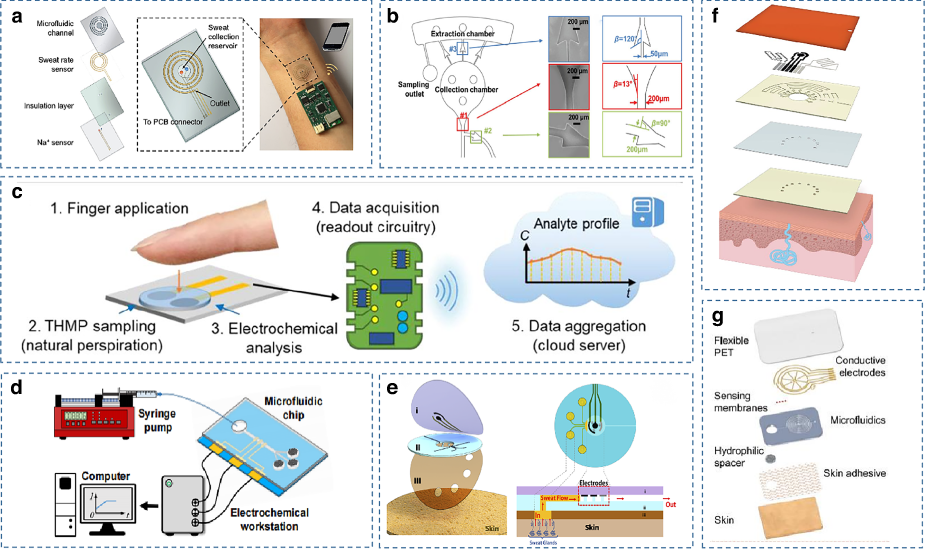
Wearable devices that autonomously detect biochemical markers—like glucose or pollutants—are expanding beyond diabetes care. These sensors could transform menopause treatment, environmental monitoring, and food safety with real-time, wireless data.
7. Green Nitrogen Fixation
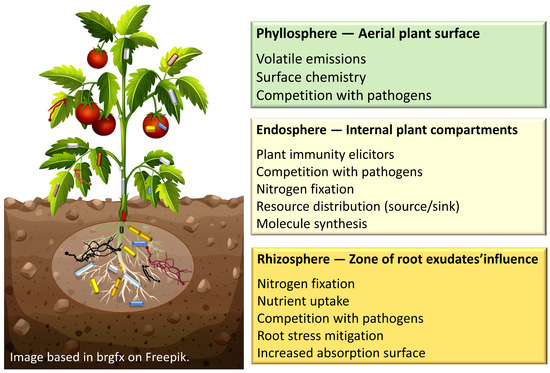
Traditional fertilizer production is energy-intensive, but green nitrogen fixation uses bio-engineered bacteria or solar energy to create ammonia sustainably. This could cut global energy use by 2% and support eco-friendly farming for billions.
8. Nanozymes
Nanozymes are synthetic nanomaterials that mimic enzymes, offering stable, low-cost solutions for cancer treatment, water purification, and food safety. Clinical trials are underway, but ethical and technical hurdles must be addressed.
9. Collaborative Sensing
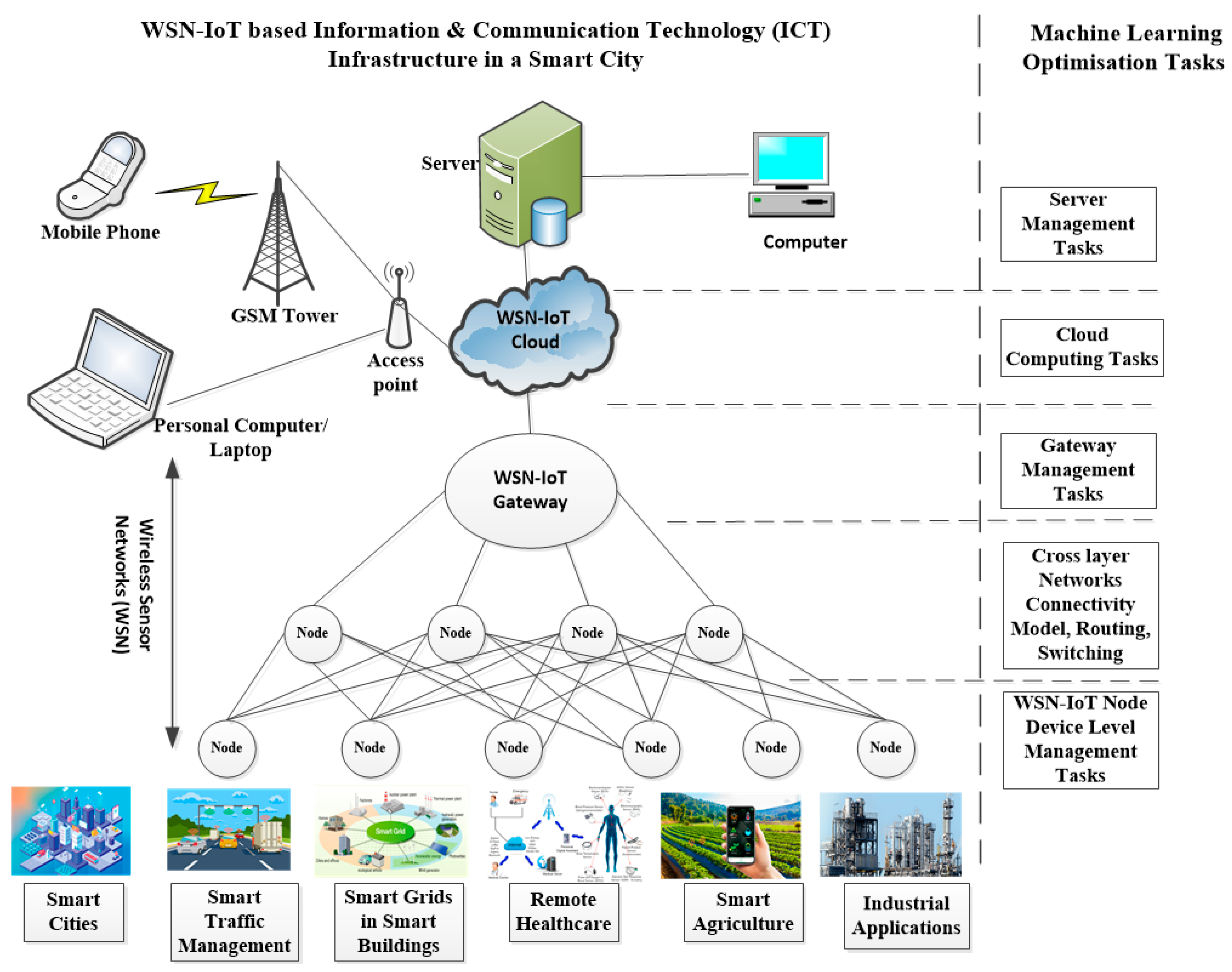
AI-driven sensor networks collaborate to optimize traffic, mining, and environmental monitoring. By sharing data, these systems could reduce urban congestion, improve storm predictions, and lower pollution levels in smart cities.
10. Generative Watermarking
With deepfakes threatening digital trust, generative watermarking embeds invisible tags in AI-generated content to verify authenticity. Adopted by tech giants, it faces challenges like tag removal but is vital for combating misinformation.
These technologies signal a future where innovation meets sustainability and human well-being. From clean energy to advanced healthcare, 2025 is set to be a transformative year. Explore the Full WEF Report







Comments
Post a Comment